
Minter Dialogue with Suki Thompson
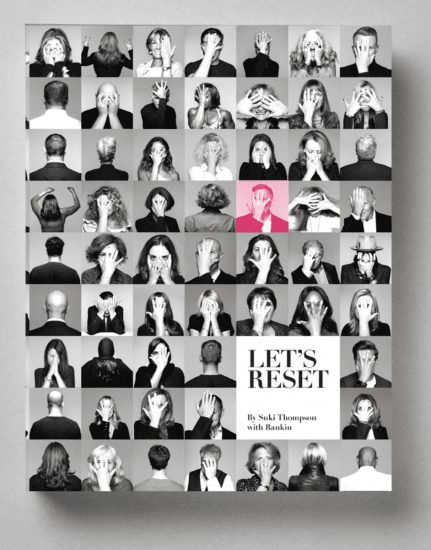
Suki Thompson is a serial entrepreneur and transformational business leader. She is co-founder of the award-winning Oystercatchers marketing consultancy, for which she is now Chair, and previously founded Haystack and Bunker Gin. She recently released with the world-renowned photographer Rankin, a fabulous book, Let’s Reset, which is the name of her latest startup. In this chat, you’ll find out the value of having a humanities degree, how to face challenges and build resilience and why leaders should embrace well-being at work.
Please send me your questions — as an audio file if you’d like — to nminterdial@gmail.com. Otherwise, below, you’ll find the show notes and, of course, you are invited to comment. If you liked the podcast, please take a moment to rate it here.
To connect with Suki Thompson:
- You can find Suki on Twitter: @SukiThompson
- Suki Thompson on Linkedin
————–
Further resources for the Minter Dialogue podcast:

Meanwhile, you can find my other interviews on the Minter Dialogue Show in this podcast tab, on Megaphone or via Apple Podcasts. If you like the show, please go over to rate this podcast via RateThisPodcast!
And for the francophones reading this, if you want to get more podcasts, you can also find my radio show en français over at: MinterDial.fr, on Megaphone or in iTunes.
Music credit: The jingle at the beginning of the show is courtesy of my friend, Pierre Journel, author of the Guitar Channel. And, the new sign-off music is “A Convinced Man,” a song I co-wrote and recorded with Stephanie Singer back in the late 1980s (please excuse the quality of the sound!).
Transcription of the the conversation with Suki (by Castmagic.io)
Minter Dial: Hello and welcome to Minter Dialogue, episode number 377. Today is Sunday, the 14th of June, 2020. My name is Minter Dial and I’m your host for this podcast. First, a shout out and thanks to Casper Craven for putting up a 5-star review of the show. Please consider to drop in your rating and don’t forget to subscribe. to catch all of the future episodes. This week’s interview is with Suki Thompson. Suki is a serial entrepreneur and transformational business leader. She’s the co-founder of the award-winning Oystercatchers marketing consultancy, for which she is now chair, and previously founded Haystack and Bunker Gin well before it was trendy. She recently released with the world-renowned photographer Rankin a fabulous book called Let’s Reset. which is the name of her latest startup. In this chat, you’ll find out the value of having a humanities degree, how to face challenges and build resilience, and why leaders should embrace well-being at work. You’ll find all the show notes on mentordial.com. Now for the interview. Suki Thompson, what a pleasure to have you on the show with your wonderful smile, great energy, and an extraordinary career. In your own words, Suki, how would you like to describe yourself?
Suki Thompson: Myself? Gosh, I would say passionate, caring, driven, and maybe fun.
Minter Dial: Love it. Yes, there’s one photograph of you online which has your hair sort of blowing over your face, and so I thought that, that is a woman who’s not afraid. I like that. One of the things that I love, and I was sort of digging into your past as best I could, Suki, scaring you online, you have a Bachelor of Arts in Drama from university. And for having had long discussions with my daughter about the benefits of drama, I studied literature, and then all of a sudden you end up with an honorary doctorate and you’ve got a business degree. And how do you— How do you— what’s the narrative you have about that? And what do you take away from having studied drama at university? And do you think that’s something that other people should be doing as well?
Suki Thompson: Yeah, do you know, I think my mum is the middle of all of that. I was either going to read economics or geography or drama, because I loved drama. And I think actually, you know, I was up for doing economics, maybe politics at uni. And then my mum said to me, you know, and I grew up in Cornwall, so I I loved surfing, I loved doing drama, and she said, you know, you should do whatever you want to do. You have to leave Cornwall because at that time there wasn’t really a way to stay, there wasn’t really going to be the kind of jobs that I wanted to do down here. So, she said, well, why don’t you try? So, actually I went to Leeds University, to a drama school there, um, and I— and, you know, mostly I absolutely loved it. It was an amazing experience and it absolutely taught me, I think, 3 fundamental things. One, to think carefully about myself. I think actors have that amazing innate sensibility about their own self. Second was to be curious about other people and to watch other people. And the third, I think, was to do something you really love.
Minter Dial: Hmm.
Suki Thompson: So, you know, actually, I knew very quickly that I wasn’t a very good actor, and I wasn’t going to be able to do it for a career. I probably might have been okay as a jobbing actress, and I went on and ran a theatre and did a bit of bits and pieces, but it’s put me in great stead. And I think now, actually now, because I do a lot of presenting, I spend a lot of time doing this sort of thing, and I love talking and coaching and mentoring, it’s helped me not be too scared of doing that, because I think I would have been much more scared if I hadn’t. And then I think obviously for my work now, which is much more around thinking about cultures. It’s enabled me to do that. But I think the reason I then went on to do other degrees— and I did a postgrad in marketing, and then, as you say, an MBA, and then I got a brilliantly and kindly— Coventry University have given me an honorary doctorate.
Minter Dial: What a lovely, lovely thing to have.
Suki Thompson: Which is so amazing. But it’s because I didn’t feel that drama was a proper degree. So, when all my friends were going off to be lawyers—
Minter Dial: Serious people.
Suki Thompson: You know, really serious people. They’d go, yeah, but of course you’ve done drama, Suki. And then of course you work in advertising. So, I thought—
Minter Dial: Probably with the other potential underthoughts, which is you’re a woman and, you know, blonde and attractive, you know. I’m thinking that there might’ve been these kinds of things too, parentally or otherwise.
Suki Thompson: Yeah, you know, I think you’re probably right. And so, I just kept going. And I remember when I wanted to do my MBA, went to my agency at the time and said, can I do this? And they went, no, you can do an advertising course and we’ll pay for that, but we won’t pay for you to do a part-time MBA. So, actually what I did was I went to a few clients, and it’s a wonderful man called Jonathan Mindell from— he was the marketing director at M&S, and he said, look, you should absolutely do it. Do the dissertation on something really interesting and we will buy the research. And so, I went to 3 or 4 clients and I sold the research that I did, which was around financial services and targeting women in particular. And that’s how I paid to do my MBA.
Minter Dial: That’s a very disruptive and inventive way. That’s absolutely fabulous. Like you, I mean, I studied literature and hardly— what can you do with a literature degree other than go teach English at a school? And yet I’ve carried with it the ability to communicate the idea of understanding words. And I also did a lot of drama and the idea of getting into the roles or the shoes of other people. So, it kind of is instrumental to this concept of empathy. I wanted to just dig in one second on your first point, which is taking care of yourself. Can you elaborate what you mean by that?
Suki Thompson: Well, do you know what? I’m not sure that I did massively. Like many young people, I guess, I didn’t take care of myself brilliantly. Until I first had cancer 12 years ago.
Minter Dial: Wow.
Suki Thompson: And not because I, you know, I wasn’t destructive. I always did sport. I was pretty healthy. I was always quite slim, but I never took time for the other things. I didn’t take time for my friends really. I didn’t take time for girlfriends. I didn’t meditate. I didn’t do things that I purposefully looked after myself until my first cancer diagnosis when I, and I’d recently got divorced. And I thought, you know, for me, if I’m going to be a single mom to Jazz and Sam, if I’m going to run a business, ’cause I’d set up Oystercatchers, if I’m going to be a daughter and a friend and I need people around me, I better start looking after myself. So, that’s what I began to do.
Minter Dial: So, really, Suki, there are probably a million topics we could discuss, including the fact that you were chairperson of Marketing Society, a really great organization, and a friend has just been nominated as CEO. probably know her, Sophie Devonshire.
Suki Thompson: Yeah, so brilliant. She’s going to be amazing. It’s an amazing organization. I love it, and so supportive of marketing across the whole industry and the world now.
Minter Dial: Absolutely. So, um, you’ve done this book, which is how I actually got a chance to meet you, um, at the Like Minds event run by Drew Ellis. And, and you had a marvellous presentation, uh, where you invited one of the people who was in the book. I’d want to So the book is called Let’s Reset, and I think in light of everything that’s been happening in this world, it could hardly have come at a better time, yet probably an awkward time to launch a book. But what was the genesis of the idea? How did you come up with the idea? What is it like? You know, it’s like I’m thinking about the moment where you’re like, I got an idea.
Suki Thompson: So, actually, the idea came from my daughter Jazz.
Minter Dial: I—
Suki Thompson: and 2 things. I was chatting to my friend Dan Gilbert, who runs Brain Labs, and he said to me, so what’s your next company? And I went, I’ve done 4, that’s it. I’m 50, I don’t need any more companies. And he went, you’re 50, of course you can have another company.
Minter Dial: Why stop at 4?
Suki Thompson: Yeah, you know, so that started me in my head, I guess, thinking, oh, maybe I could do another company. Maybe I don’t want to just become a Ned. Maybe I don’t want to be— and I was in a, and still am a chair of the company that I sold to a PLC, but I knew the PLC world was not for me. And then actually Jasmine is studying, was studying clinical psychology at university, and she was very aware that people were really struggling with their well-being at university. And she had begun to help and was doing some social media. And I said, well, look, why don’t we just build you a platform so you could have a platform and you could share your experiences and some tips and advice, and maybe your friends could do the same thing. And then from that, I realised that the work that I was doing, which is very much around transformation of businesses, particularly marketing companies and marketing departments, but, you know, a lot of transformation, a lot of the programmes that we’d been running weren’t as successful as I wanted them to be. And it’s because we hadn’t changed the culture either within the organisation or even within the department. And I firmly felt that if you shift culture, you can shift performance. But as part of that, you needed to put the kind of well-being of people at the heart of it. So, that was all bubbling on in my mind. I’d met Rankin, the amazing, amazing photographer. I’d worked with him on a book around creativity, and we both had a real passion for how could we have the conversation around mental health and well-being in the workplace. And he has an extraordinary culture at Rankin, and he’s over 80 people. Oystercatchers, for me, the culture was so important. And so, I thought, well, if we’re going to try and get people to think differently about their cultures and think about well-being, resilience, famous people were all talking about it. But it was interesting to me that leaders didn’t really like it. And when I talk quite openly, it makes other people open up.
Minter Dial: Right.
Suki Thompson: But people weren’t really talking about it openly in a business environment. So, that’s how I got the idea for the book. And then because I’d been talking to Rankin, he said, well, he would take portraits of people Um, I would get the individuals and they would tell their storeys and then it came from there.
Minter Dial: That’s a wonderful idea. I mean, it’s remarkable how— well, I want to just tie some dots together that I’m listening to Suki and the narrative in my mind is, wow, you have a very integrative way of doing things. And I’m going to spin back the yarn. So, your mother and drama, and then all of a sudden writing a thesis for clients paying to write the research for you to go to school. So, that’s such a collaborative businessy, but, you know, it’s a mesh that gets you through. And then here you’ve got, you know, a portrait— I think it’s 100 people working with Rankine, and you’re— and it’s just this whole sort of pool of people that you’re working with and organising things together. And I think that’s a very— that’s about a culture in just in the way you’re operating in everything you do and bring that in. So, that was just feedback.
Suki Thompson: It’s really— no, do you know, it’s so interesting. I hadn’t thought about it in that way. You know, it’s, you know, as we’re doing this, we’re still in lockdown. Lots of people have said how lovely it is to meet people’s children and see inside their houses. Well, All my friends obviously have met my kids, but most of my clients have. A lot of my work colleagues have met my children. And I kind of find it fascinating. And, you know, even we were doing a— I was doing a live Insta with Rankin and then Rose McGowan on Monday.
Minter Dial: Yes.
Suki Thompson: And Jazz was there helping me make the live feed work. And, you know, Rankin knows Jazz. Rose McGowan’s like, oh, hi Jazz, you know, and she didn’t even know hadn’t met her, but she knew of her. I hadn’t really thought how much I bring everything together, but it is what I do, I guess.
Minter Dial: And I’m, you know, sexist comment possibly en route. Kara Swisher, the marvellous journalist who’s going to be on our show, she brings her 2 children into her very well-known podcast, Recode Decode, in the States. So, you know them. And I’m just thinking that there’s something about allowing the personal to enter into the professional, which includes, by the way, my own weaknesses, my own personal worries, into the professional space. It just seems to me that it is more likely to happen if it’s a woman.
Suki Thompson: Yeah, I think you’re right. I do think you’re right. I think, you know, interestingly, in Let’s Reset, the book, it was much more difficult for me to get men to come and open up and have a conversation than it was women, which is the complete opposite in many ways of some of the rest of my life where I spend lots of time bringing chief execs, marketeers onto stage to talk about what’s happening in our industry, you know, how important commercial conversations for every— in that environment, for every one man I ask, I have to invite about 10 women. And it was almost the complete opposite in Let’s Reset.
Minter Dial: Oh, that’s— yeah.
Suki Thompson: Yeah. And it’s interesting, as I started Let’s Reset, people would say, oh, it’s so nice that you’re wanting to talk about well-being. What a lovely thing to do. I’m like, you know, yeah, it is really important. I’m really passionate about it, but it’s a commercial business. This is around resetting businesses to be commercially better. And there’s a bit of a sense of, oh, I’m doing a really nice thing. And but it’s not kind of proper. It kind of comes back to the drama thing again, doesn’t it? You know, oh, drama is really nice, but it’s like not a proper job. But there’s amazing actors doing extraordinary things. Why is that not a proper job? Why is thinking about well-being, talking about your own vulnerability, not a proper grown-up way of being a leader? You know, I think I’m kind of proud of my career. Yeah, you should be. But for some reason, you know, it’s kind of not— it’s not as good. It’s not as good. And I think for me, when I saw PLC directors and chief execs, and part of me really wanted to have that moment of being proper, being seen to be, you know, that kind of person. But actually, you know, when I looked at it, one, it’s not that different. You know, you still lead an organization. It doesn’t matter if it’s public or private. You still have the same challenges. They might be at different scales, but you still have the choice as to whether to be a leader that shows their vulnerability and cares about the fundamental well-being of their people, Or you are simply a commercial leader, and that’s all you want to concentrate on.
Minter Dial: There’s a remarkable lesson I had, which really wasn’t so long ago, where I cried in public. And it certainly wasn’t the way I was brought up at all. And I, in fact, I, you know, any opportunity to cry, I would sort of hide away, and I I’d be like the crier in business class who weeps unashamedly, but by himself in his little cabin, if you will, or secretly brushes away the tear. But doing it in public, and all of a sudden there’s this— the immediate reaction is, oh my gosh, like this shame. Oh, shame on me for letting it go. But not only did the people in the audience who were maybe 50, 60 journalists think badly of me. I’m sure they thought better of me.
Suki Thompson: Yeah, yeah, of course, of course. But isn’t it funny? Because we all do the same thing. We all go, we can’t share, but when other people share to us, we really like it. So, what is it that stops us? And we know what it is. It’s a, you know, our intrinsic fears inside us, those big self-beliefs that we have are very, very hard to shake. So, even I, you know, I talk about this stuff all the time. Whenever I want to think about something vulnerable, there’s always a moment where I go, I’m not sure I can share that today.
Minter Dial: Right.
Suki Thompson: So, you know, one of the things we do every day with each other at Let’s Reset, but also with, you know, people— I haven’t done this with you yet today— is on a scale of 1 to 10, 1 being terrible and 10 being amazing, how do you feel today?
Minter Dial: About a 7, about a 7. I played sports this morning, it’s a beautiful day, and I didn’t get injured, and I kind of look at that as a positive, but my energy levels are certainly not where they were. And so, ordinarily I would have thought of myself as a 9 big day, and I’m having a chat with you, but I’m definitely in a lower— and my wife, by the way, remarked it just before, about last night. And so, yeah, I am trying to take stock of that. And my road in through this has been to make sure I take care of myself, which can be parenthetically looked at as an egotistical activity, but I really have been actively looking at ways that I can spend time on me to be okay and then checking in with myself because I’ve had some very bad news recently and I just, you know, just collapsed in tears. And these things well up, and so I just let it go. And then I cried again afterwards, and I kept on crying. And I think that that probably is symptomatic of something underneath as well, when you need to cry. It wasn’t even my situation, it was a friend’s situation, which was just, you know, terrible. And so, I was shedding and sharing my grief through theirs. And so, yeah, I’m a 7 today. I think I’m good. That’s quite good compared to my normal day.
Suki Thompson: Well, you know what, a 7 with all that going on, that’s a really good score. And it’s okay, as you said, it’s okay to not be okay. It’s okay to sometimes not be, not be a 7. It’s okay to be a 2 or a 3. But sharing that sometimes helps And it helps people around you. But it does help. And I think actually, you know, when you’re in an aeroplane and they do the bit, the flight attendant at the beginning says, when the oxygen mask comes down, please put it on yourself before you put it on the person next to you. You don’t go, my God, that’s a really selfish thing to do, do you? You go, right, of course, because I need to look after the people around me.
Minter Dial: Of course.
Suki Thompson: So, why do you feel that looking and thinking for yourself and looking after yourself is a selfish thing? It’s the complete opposite.
Minter Dial: Yeah, society’s norms that sort of come through. So, one of the things that I’ve been thinking about, where we— if we want to let Reset work at scale, we’re going to need to have some big names give permission for this to happen.
Suki Thompson: Yep.
Minter Dial: And no offense, but we kind of need some men because they still are running the largest, you know, majoritarily there. And I’m thinking that most of us leaders who were programmed, if you will, before to stiff upper lip it and rah-rah and, you know, I’m going to lead the troops and, you know, that which does not kill me makes me stronger and all these kinds of epithets, we’re going to come into a new space where I think vulnerability will be beneficial. But are we going to be able to, or are they going to be able to tap into themselves, lean into the emotions they actually truly experienced instead of the rah-rah camaraderie or push for shareholder value that I have to, I’ve been trained to do. How are we going to get them? Do you think that every CEO has an issue? That’s what I would love to ask.
Suki Thompson: Oh, look, I think we’re all different, aren’t we? And I think, you know, at the moment, I think we need leaders that are and leaders. I heard this expression the other day. So, you need kind of both. You need people that are really commercial and they are in tune with their emotions and they’re able to talk about that. We need people that you know, businesses that are safe, and you need people, businesses that are technically, you know, literate and using technology to their best example. So, you know, you’ve got to have both skills at the moment, probably more than ever. And, you know, in the book we have got some men that I think have been speaking out but also are realising new things. So, Dave Dinsmore is the Chief Operating Officer of News UK. Now, you know, one of the things he said to me was, I think flexible working is really interesting, but I’m not sure that we can do that here at News. Well, you know, during the coronavirus, they have been working like that. He’s absolutely opened up to it. We’re doing a workshop with a whole bunch of their staff tomorrow around resilience and grit. We’ve done one with them around emotional engagement. You know, that’s really different. And if you’ve got a massive news organisation that can address well-being and, you know, flexible working working, and think about the commercial aspects of it and the implications of their culture, that’s fantastic. We’ve got Steve Parish, who’s the chief executive— chair of Crystal Palace Football Club. Well, you know what? A football club is pretty macho, isn’t it?
Minter Dial: Yes.
Suki Thompson: You’ve got a whole load of footballers everywhere, but actually they are putting wellbeing at the heart of what they’re doing. They’re thinking about the psychological as well as the physical and the mental and the financial impact on all their footballers and on their fans and on, you know, the whole work that they’re doing. And I think, you know, what we need is more examples of this. We’ve got Matt Atkinson from The Co-op. Well, The Co-op has been extraordinary in this place, in this space, and their chief exec and their whole board are talking about well-being as important as the commercial imperatives, as important as looking after their customers. And I think it has to be part of the suite and the tools that they put at the top of the organization. I think what probably does have to happen as we come out of this epidemic, and we will probably have other big challenges, that we know that well-being was important before, but it has to carry on being even more important in the future. And whether you have a wellbeing officer or whether you have some external help and stimulus, it has to come further up and into the boardroom alongside all those other things that— and the metrics that you measure.
Minter Dial: And I don’t think it’s going to compromise results. I mean, in fact, no, I have to believe it benefits results. But why doesn’t the city and the shareholders? Because if we don’t get them on board to this idea, we’ll still be clipped, wings will be clipped. No, don’t talk about that stuff, you know, I want to know what’s the margin.
Suki Thompson: I know, I know. So, look, we know that diverse workforce, we know that diverse leadership makes sense. There’s been measurement for ages and ages and ages, yeah, right? What are our diversity stats looking like? I mean, you know, even though everyone’s really excited, Woeful. Woeful. And now, you know, because we’ve got other things to worry about like commercial outcomes, we’re going to forget about diversity again. It doesn’t matter. The thing I think might be different— and by the way, it costs in the UK £34.96 billion a year in mental health issues impact the workplace. I mean, you know, it doesn’t really matter which number you use.
Minter Dial: Yeah.
Suki Thompson: There are enough stats to say it has to make sense. The thing I wonder that might change, if we can let it, is that while we’re using things like Zoom, while we’re doing more talking to people, the thing that has changed during the coronavirus is that people have genuinely asked the question, how are you?
Minter Dial: Right.
Suki Thompson: And genuinely answered it. And there are companies thinking about the well-being of their people because we’re all going through the same levels of grief, the same levels of Fear, resistance, resilience, opportunity, all at the same time globally, you know, kind of within each other. So, we have to do something about it. And I hope the businesses that begin to win, the businesses that have been doing this for a while, they’ll come out quicker.
Minter Dial: Yeah, the flippant, you know, how are you? Good, you? Yeah, fine, is gone. Yeah, we still need to find ways for that to sort of remain within. But anyway, I’m very hopeful that that kind of thing will show, bear fruit, that then shows that that is the way. Because if we can’t prove it somehow, it’s going to be hard to move the needle in the city. And because, yeah, the way that they work—
Suki Thompson: No, it is. And, you know, exactly. But, you know, I was talking to Carolyn McCall on Monday. She’s in the book. She’s at They’ve got a whole campaign going about Get Britain Talking. It’s absolutely there. And it’s a really fundamental part of their business. This morning, just before you, I was talking to Paul Pomeroy, who’s the chief exec of McDonald’s in the UK. They take this really seriously. They have put their university that they can’t use, they’re making into a wellbeing centre because they want to help their staff. They need to— they want to have a doctor that’s there so that their staff get to go and see the doctor. rather than putting it off or having to wait for a long time. You know, I think there’s things that businesses, forward-looking businesses, are doing that will make a difference.
Minter Dial: When you add into— I’m thinking now the suite of things that were I to be running a company, I would sort of have to put a pocket of thought on. We’ve got well-being, we’ve got sleep, which is related but another topic but highly personal, We have eating, to your McDonald’s point, you know, how do we eat? And why don’t we not actually include in our learning for development things about how to sleep better, how to eat better, and how to be better instead of, of course, you know, how to use Excel better, right? Sure.
Suki Thompson: And the thing is, you know, we understand in business that we can train people in how to be a better marketeer, you know, so Oystercatchers Exe, and we train people to be marketeers. Amazing. You can learn to be a better accountant. You can learn, and you know this, you can learn about all aspects of well-being— physical, financial, emotional. It’s just as important. It’s just as important as a leader, but it needs to link into the commercial outcome.
Minter Dial: Yeah.
Suki Thompson: I think the bit that’s been a challenge is it’s been in isolation. It sat somewhere in HR, probably right down the organization. It can’t sit there anymore. It has to absolutely sit right at the top alongside all the other diagnostics that you’ve got to be able to run a business.
Minter Dial: The catchphrase that’s running through my brain, isn’t it funny that isolation brought this out?
Suki Thompson: Yeah, yeah, it’s so weird, huh?
Minter Dial: The ironies. I love these kind of paradoxes and accidents of thought.
Suki Thompson: Which is why you need and leaders. In a— it’s brilliant, it’s a brilliant thought of yours. In a paradoxical world which we’ve now got, you need to have leaders that can do both, that can tap into EQ and IQ.
Minter Dial: Beautiful. So, um, a question that I want to end towards is on resilience, and I’m a big fan of Brené Brown. But I— it’s very confusing for me how to actually build resilience. Is it something that you can learn? I mean, I get the feeling like if you’ve gone through enough hard knocks, that builds up some thick skin. I got that as an idea. I feel like for having gone through some particularly difficult personal experiences that I’ve learned to put things into perspective. But do you need to go through those difficulties in order to gain the perspective? So, how do you go about building resilience?
Suki Thompson: I mean, I think one of the things we talk about is mindset and actually having a growth mindset. And I think you can learn that and you can practise it in the same way you can practice, you know, we talked about sport, getting better, doing yoga every day, doing mindfulness. So, you know, I could sit here now and say, look, I’m in isolation, I’ve got friends that are really ill, my daughter wasn’t able to graduate from university properly, and actually, and I’m having cancer treatment. That’s a really shit life. Or I could say, you know what, I have an amazing view, I live on the beach. I’ve put all our programmes at Let’s Reset. We are now running workshops. We’ve trained nearly 2,000 people during a 7-week period. We are helping companies reset their workplace, working with very senior leaders that we simply wouldn’t have been able to do if we’d worked in a kind of face-to-face environment. My daughter is a clinical psychologist now and helping people, and my son is happy and well, and everyone around me. And I get to do a Zoom in the mornings with my second cousin who’s teaching me yoga. I mean, that’s kind of pretty cool.
Minter Dial: Hmm.
Suki Thompson: So, it’s the same scenario But it is about the mindset. And I think you— and we don’t— and I don’t feel that every day. And sometimes I wake up feeling some of those shit things, and that’s why I’m a 2, not an 8 or a 9. But I think you can really, really work on that. And I think it’s not just something you can work on in isolation. You can work on it with your teams. You can work on it as a business. You know, we do workshops on it. So, I think you have to take responsibility yourself.
Minter Dial: Hmm.
Suki Thompson: But if you do it as a part of a suite of other things you do, you can learn that kind of growth mindset and, you know, the ways that you can, you can do that.
Minter Dial: The way I hear that is it’s about taking perspective with a group. Yeah, group. I think that’s sort of how I digested the idea.
Suki Thompson: Yeah, yeah, very good. Yeah.
Minter Dial: So, Suki, I think we could have probably extended this until midnight. At least I would have joyfully done so. I love listening to what you’ve gone through, and clearly you’ve had a real journey yourself. You’ve done marvellous things. Let’s Reset— how can somebody grab that book? It’s, it’s a wonderful book, and I would have loved to talk about the creative outlet, the out— yeah, the way you’ve worked it with, with the pictures. Yeah, with 3 people and showing with Rankin a very creative layout. I mean, for the creative people in the world listening to this, you’ve got to cheque it out. It’s, it’s absolutely startling. And I think that hopefully people in business will also tap into it and look at this really important topic.
Suki Thompson: Yeah, yeah. Well, you can, we can, you can buy the book, you can buy it from Amazon, you can also buy it from letsreset.com, which is our platform. And there’s loads of other information. There’s some little bits about some the workshops. Other people can post information or thoughts that they’ve got or things that they’re doing around cultural change, so you can absolutely do that. At the moment, we’ve got an outdoor poster campaign running with great thanks to Clear Channel, so you can see the amazing visuals of this one, which is the facepalm for thinking creatively and innovation, the back of your head, which was about the fear of missing out, but now is—
Minter Dial: FOMO.
Suki Thompson: well, yeah, FOMO, but now we’re talking about FOGO. So, the fear of going to do things, going back to work, going to do lots of different things. And then the whole piece we’ve talked about today around expressing yourself as an authentic leader or as an authentic person in business.
Minter Dial: A wonderful triptych. And how about anyone who would like to follow you or get in touch with you, Suki? What’s the best way?
Suki Thompson: Yeah, they can follow me on Twitter at @Suki @sukithompson. They can follow us—
Minter Dial: With a P.
Suki Thompson: With a P, with a P, a very important P. Yes, um, they can follow us at @letsreset1, um, across Twitter and Instagram.
Minter Dial: Brilliant. Suki, thank you so much for coming on. Looking forward to staying in touch and tracking with you and, and remembering to reset on a daily basis.
Suki Thompson: Yeah, thank you so much for having me. It’s just a joy to talk to you. Thank you very much.
Minter Dial: Thanks for having listened to this recording of the Minter Dialogue Show. You’ll find the show notes and other blog posts on minterdialogue.com. If you enjoyed the show, please head over to iTunes to give a rating and review. And to finish, here’s a song I wrote with Stephanie Singer, A Convinced Man.
Minter Dial: I sit here passively, hope for your respect, anticipating the thrill of your intellect. Maybe I tell myself there’s no use in me lying. I’m a convinced man building an urge. I’m a convinced man building an urge. I’m a convinced man. To live and die, subvert. A convinced man in the arms of a woman. I’m a convinced man, challenge my faith. I’m a convinced man, competition’s innate. A convinced man in the arms of a woman. Despite revenge and struggle, deceit, live for the challenge so life’s not incomplete. What’s wrong with challenge? I know soon we all die. I like the feel of a stranger tucked around me, precipitating the danger. To feel free. Trust in my reason and let me show you why. I’m a convinced man practising my lines. I’m a convinced man carrying these guns. Find a convinced man in the arms of a woman. I’m a convinced man. Put me to the test. I’m a convinced man. I’m ready to fire and arrest. I’m a convinced man in the arms of a woman. I’m so convinced, yeah, yeah. I’m convinced, man. You convinced me, baby, hey. I’m convinced. I’m a convinced man. I’m a convinced man. I’m a convinced man. I’m a convinced man. In the arms of a woman. I’m a convinced man. So, convinced, yeah! I’m a convinced man. Oh, I’m so convinced! I’m a convinced man. So, convinced, so convinced, so convinced. I’m a convinced man.
***If you like my writing and are interested in fostering more meaningful conversations in our society, please check out my Dialogos Substack. This newsletter features articles on why and how we can all improve our conversations, whether it’s at home, with friends, in society at large or at work. Subscription is free. Sign up here: